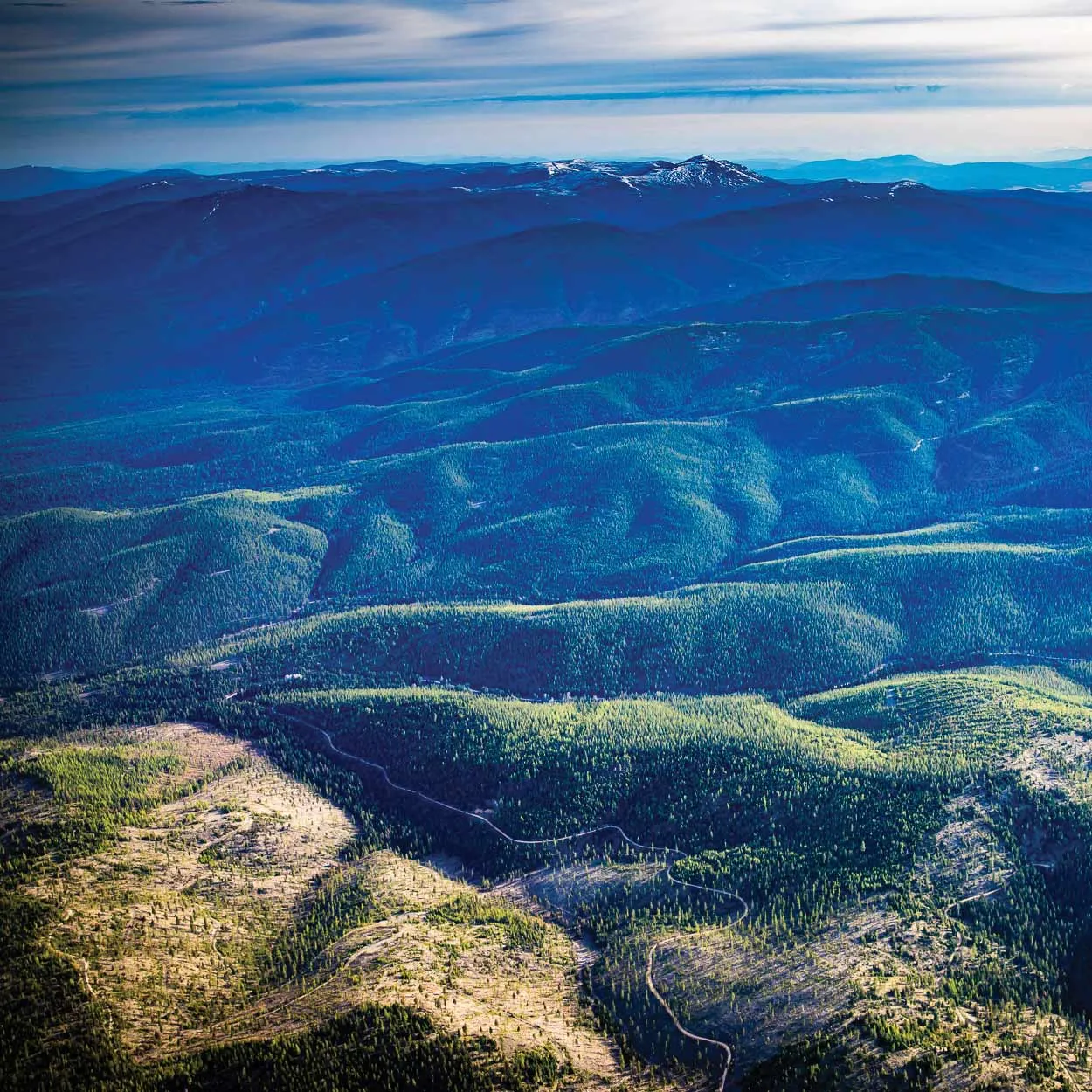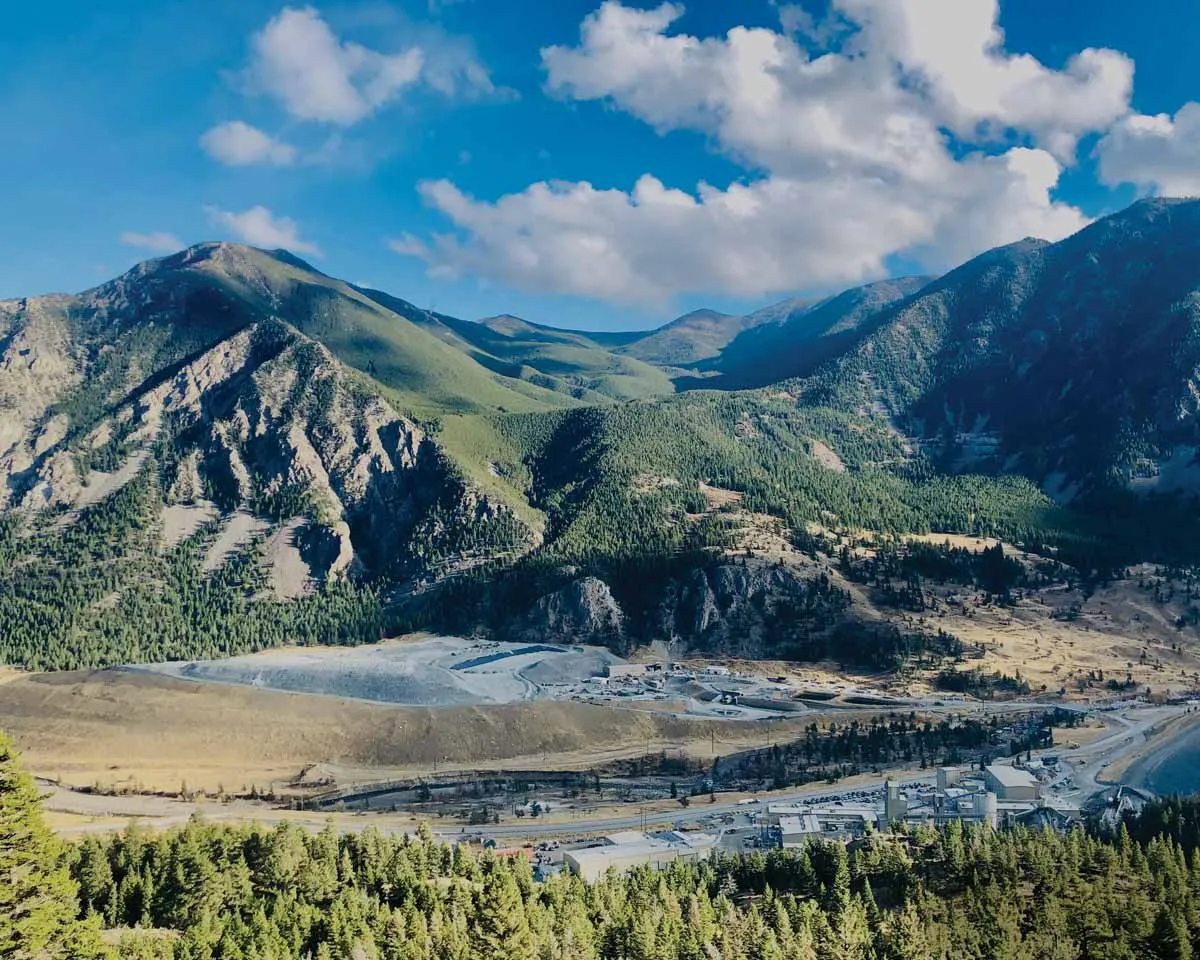
Cattle grazing a golden hillside below a pine forest on the Skyline Angus conservation easement
Keeping working lands in working hands

Working for Montana

A report on the economic benefits of conservation easements.

SCROLL
Photo by Joel DeMay
A message from MALT
“Over the last 50 years, more than 3,500 Montana families have chosen to partner with land trusts to conserve their land in perpetuity.”
Read the full welcome letter (PDF)
92.5%

Today, more than 92 percent of Montanans support allowing private landowners to conserve land through conservation easements without government interference.

Source: Colorado College, Conservation in the West Poll, 2025
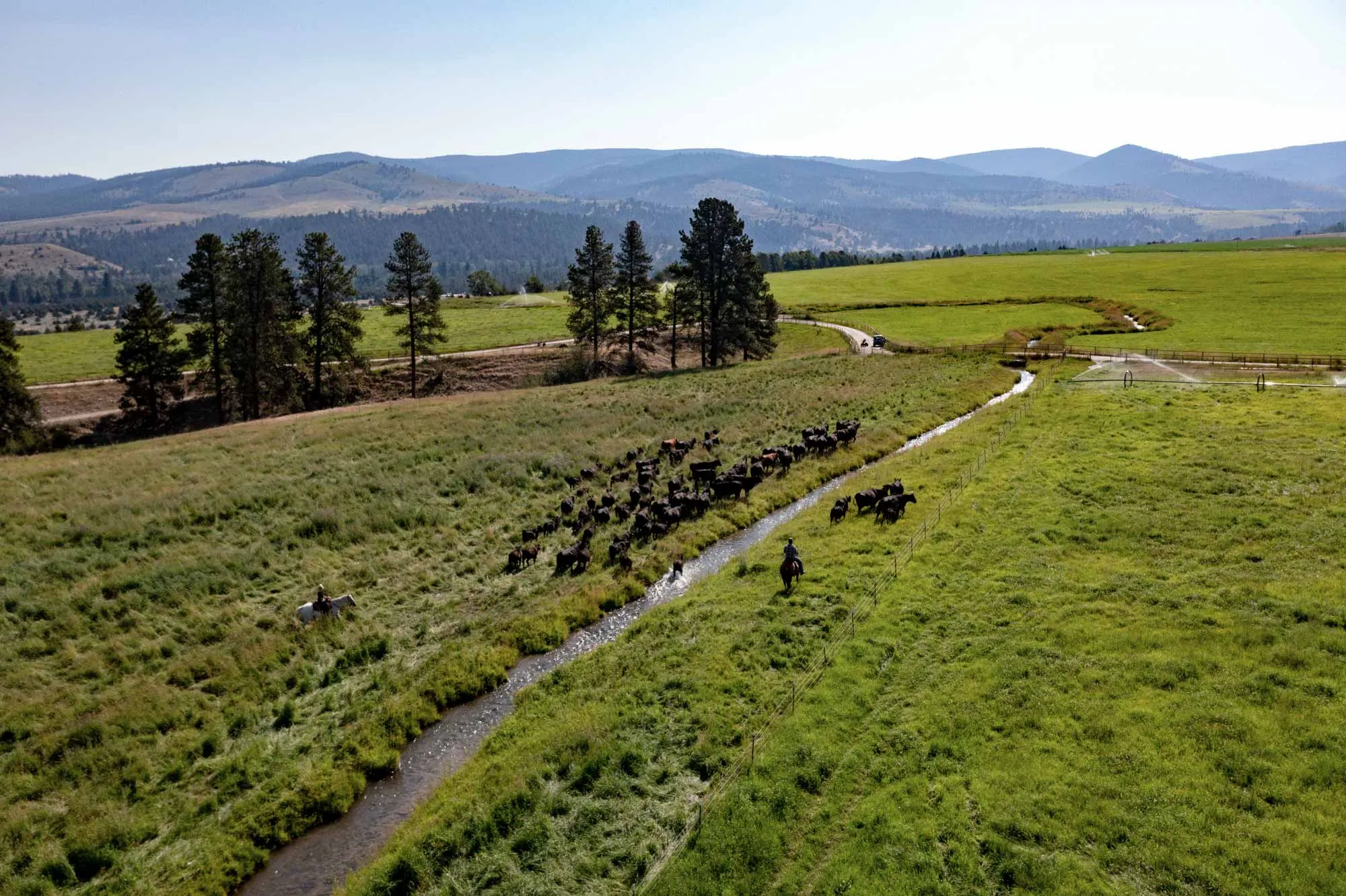
Aerial view of riders moving a cattle herd along a creek through green irrigated pasture, with forested hills behind
“Conservation easements are an important tool for protecting family farms and ranches for next generation transitions and protecting existing ag and natural resource activities that are the economic backbone of rural communities. This tool isn’t for everyone, but it should be available to anyone.”
Skyline Angus conservation easement, Stevensville, MT/ Photo by Firefly Imageworks / Courtesy Bitter Root Land Trust
Economic analysis

Federal Agricultural Easement Programs Strengthen Montana’s Economy

Landowners reinvest 96% of easement payments to strengthen their operations, communities and Montana’s economy.

In Spring 2026, The Harbinger Consultancy, working with Montana land trusts, studied federally funded conservation easements established from 2022 to 2026 through NRCS and U.S. Fish and Wildlife Service programs. Landowners put 96% of those funds back into their farms and ranches. Those investment patterns fed a Montana-specific version of a Colorado State University model that measures the impact on the state’s economy.

Where the money goesShare of federal payments by how landowners put them to work, 2022–2026.
96%reinvested
41%Debt repayment & savings
37%Land purchase & real estate
18%Equipment, operations & diversification
4%Other uses
Source: The Harbinger Consultancy, 2026, based on land trust staff estimates.
Download the Economic Analysis (PDF)
Strategic investments
$144 millionFederal Easement Income to Montana 2022–2026

Strategic Investments by Landowners

Invest in Land Improvements & Operations
Acquire or Lease More Acreage
Pay Down Business Debt
Support Ag Succession Planning
Keep Family Land Intact
Sustain Agricultural Legacy
Economic impact across Montana
Stronger farms. Stronger ranches. Stronger communities.
$284MTotal Economic Impact
$91MLabor Income
1,800Jobs
Download the Economic Analysis (PDF)

Working for Montana

1 / 7
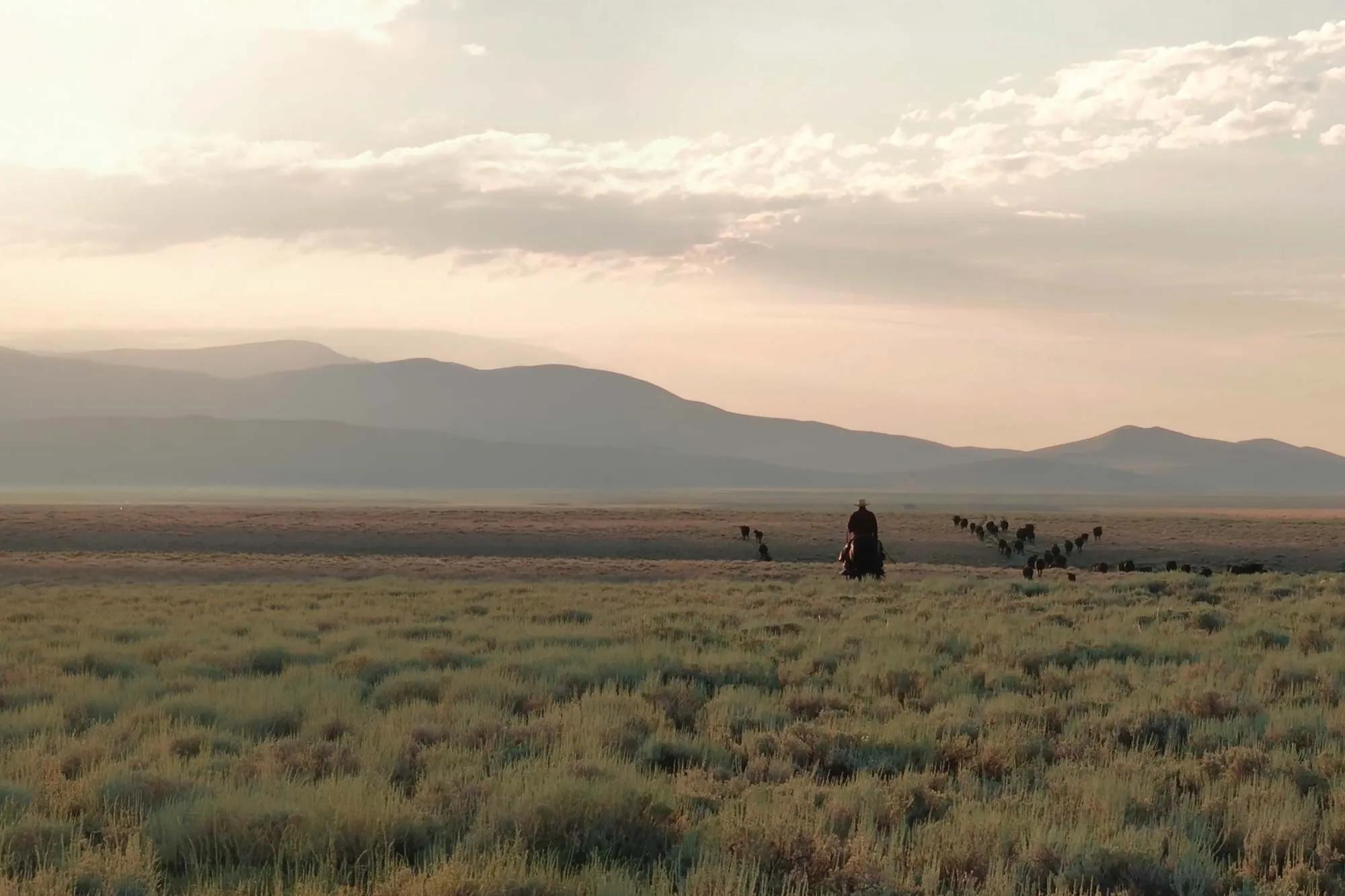
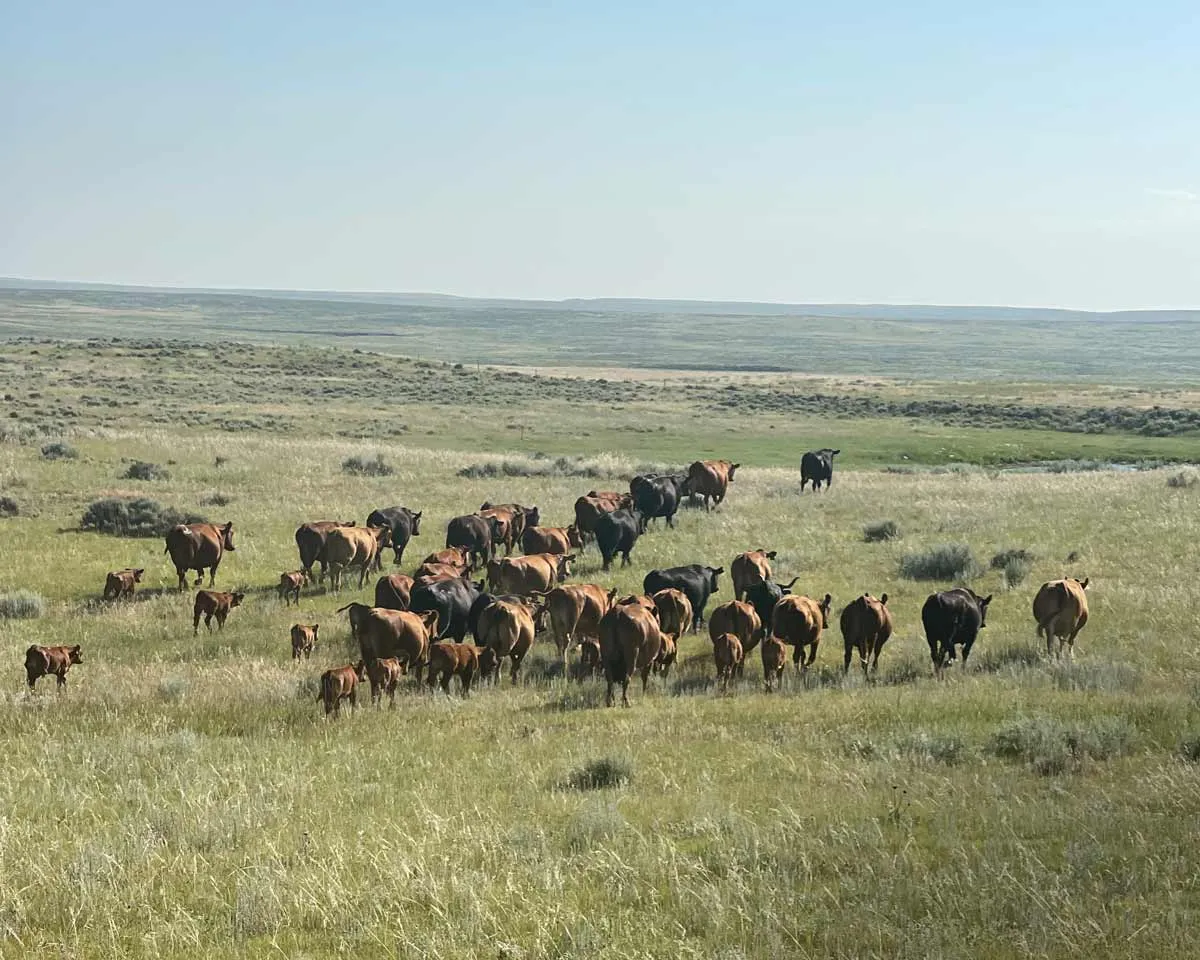
A herd of cows and calves walking across sagebrush grassland on the Barthelmess ranch
Photo courtesy Leo Barthelmess
Ranchers

Keeping a Century of Ranching Alive

For over 100 years, the Barthelmess family ranch has contributed to Montana’s agricultural economy while stewarding healthy rangelands and wildlife habitat. To ensure the ranch remains in working hands for generations to come, the family chose to partner with The Nature Conservancy to place a conservation easement on their 8,100-acre ranch, ensuring this working landscape continues producing food, supporting the people and businesses of Malta, and conserving grasslands.

Montana Ranching by the Numbers
$1.9Blivestock market value
356,300acres of grassland converted to cropland
$438.2Min ecosystem services
For data sources, download the report PDF.
Case studies

Conservation Across Montana

Across Montana, landowners have monetized their private property rights through conservation easements. These landowners maintain ownership of their properties and continue to use their land for farming, ranching, forestry, hunting, outfitting, outdoor recreation, and other productive purposes. This map reflects just a small number of the conservation easements that work for thousands of Montanans every day.

1Case study (Click for summary)
Also featured in this report
Counties with conservation easements

Hover over each icon for more informationTap each icon for more information

Download Case Studies (PDF)
Indreland Family
Photo by Anastasia Wilde, courtesy Five Valleys Land Trust

Indreland Family

Missoula County, MTFive Valleys Land Trust

In 2025, the Indreland family permanently conserved 1,667 acres of their property, which will continue to support cattle, hay, and timber production and remain important habitat for elk, deer, bears, and other wildlife.

Sutherlin Family
Photo courtesy Bitter Root Land Trust

Sutherlin Family

Ravalli County, MTBitter Root Land Trust

Bob and Laurie Sutherlin have spent decades establishing and growing Sutherlin Farms with a goal in mind: to keep their land in agriculture for generations to come. Thanks to the decision to conserve their farm, the family has guaranteed the preservation and enhancement of one more section of open space in western Montana – forever.

Birdseye Ranch
Photo by Kevin League, courtesy Prickly Pear Land Trust

Birdseye Ranch

Lewis and Clark County, MTPrickly Pear Land Trust

Prickly Pear Land Trust acquired Birdseye Ranch with funding from the National Guard, the Lewis and Clark County Open Space Bond program, and the Montana Fish & Wildlife Conservation Trust. The 1,472-acre property adjoins Fort Harrison and was prioritized as open space due to its proximity to a military training area and its valuable natural landscapes.

Hastings Family Ranch
Photo courtesy The Montana Land Reliance

Hastings Family Ranch

Cascade County, MTThe Montana Land Reliance

Matt Hastings partnered with The Montana Land Reliance and the Natural Resources Conservation Service to place 4,266 acres of the family’s nearly 6,000-acre cow-calf operation southeast of Ulm under a conservation easement, permanently protecting intact grasslands and upland bird habitat overlooking the Smith River Valley.

Warfield Ranch
Photo courtesy Gallatin Valley Land Trust

Warfield Ranch

Park County, MTGallatin Valley Land Trust

Alan and Laurie Redfield chose to protect their ranching legacy in the Paradise Valley through a conservation easement. Redfield says the decision was an important part of planning for the future of the family and the land. “It’s part of a transition plan,” he says. “A lot of ranches have to look at this. It makes us feel better that it’s taken care of.”

Dahlman Family
Jean and Floyd Dahlman /Photo courtesy The Montana Land Reliance

Dahlman Family

Rosebud County, MTThe Montana Land Reliance

The Dahlman conservation easement protects an important working ranch outside of Forsyth, helping ensure the land remains intact and available for agricultural use, providing long-term certainty that the land can continue supporting both the Dahlman family and the surrounding landscape for generations to come.

Thiel Ranch
Photo courtesy The Montana Land Reliance

Thiel Ranch

Richland County, MTThe Montana Land Reliance

In Richland County, the Thiel family donated a conservation easement to The Montana Land Reliance on 2,286 acres to prevent the land from being developed and conserve its agricultural future. Today, the land remains privately owned, productive, and protected from development.

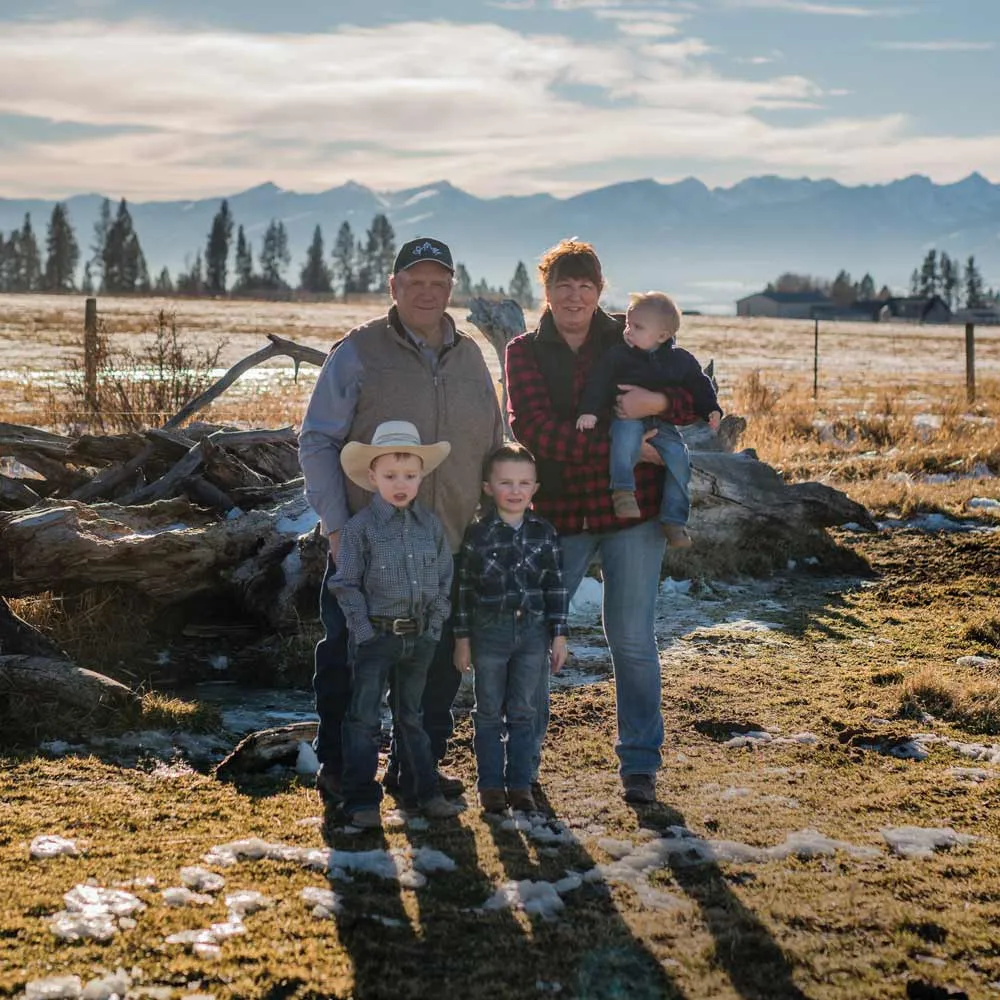
Bob and Laurie Sutherlin standing with their grandchildren in a winter pasture
Bob and Laurie Sutherlin, conservation easement landowners near Stevensville, MT, with their grandchildren.

About the Report

Who developed this report?

This report was developed by the Montana Association of Land Trusts (MALT). MALT is dedicated to voluntary, landowner-driven conservation through the exercise of private property rights. Together, MALT and its members work with private landowners to protect Montana’s open landscapes, multigenerational family farms and ranches, clean drinking water, healthy fisheries, recreation opportunities, and critical wildlife habitat.

What is a conservation easement?

A conservation easement is a voluntary, legally binding agreement between a landowner and a qualified conservation organization, often a land trust, that perpetually limits certain uses of a property in order to sustain its conservation values. Conservation easements are perpetual. Most commonly, conservation easements restrict future subdivision and development while allowing the land to remain in private ownership. Landowners who own property under a conservation easement continue to pay property taxes on that land.

What is a land trust?

A land trust is an organization that partners with willing landowners and communities who choose to voluntarily protect open lands and natural resources with land protection tools, including conservation easements. They are dedicated to protecting farms and ranches, working forests, open space, wildlife habitat, recreation opportunities, and the character of Montana’s unique communities for future generations.

Member land trusts
Five Valleys Land TrustBitter Root Land TrustFlathead Land TrustGallatin Valley Land TrustPrickly Pear Land TrustThe Montana Land RelianceThe Nature ConservancyVital Ground FoundationKaniksu Land TrustThe Conservation FundRocky Mountain Elk FoundationTrust for Public LandDucks Unlimited Montana